

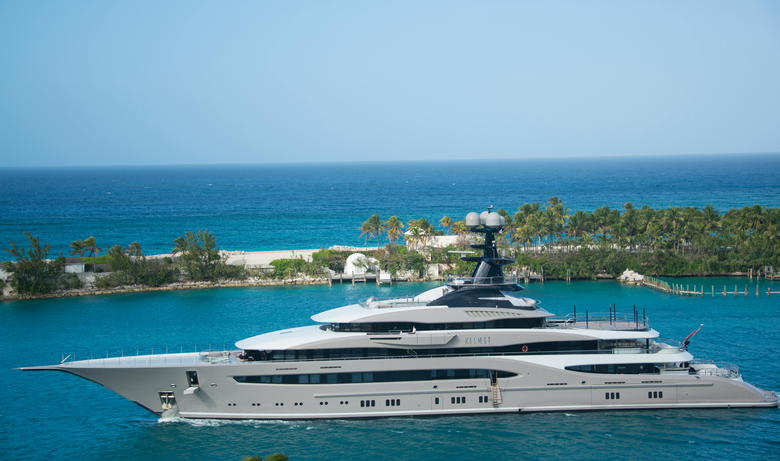
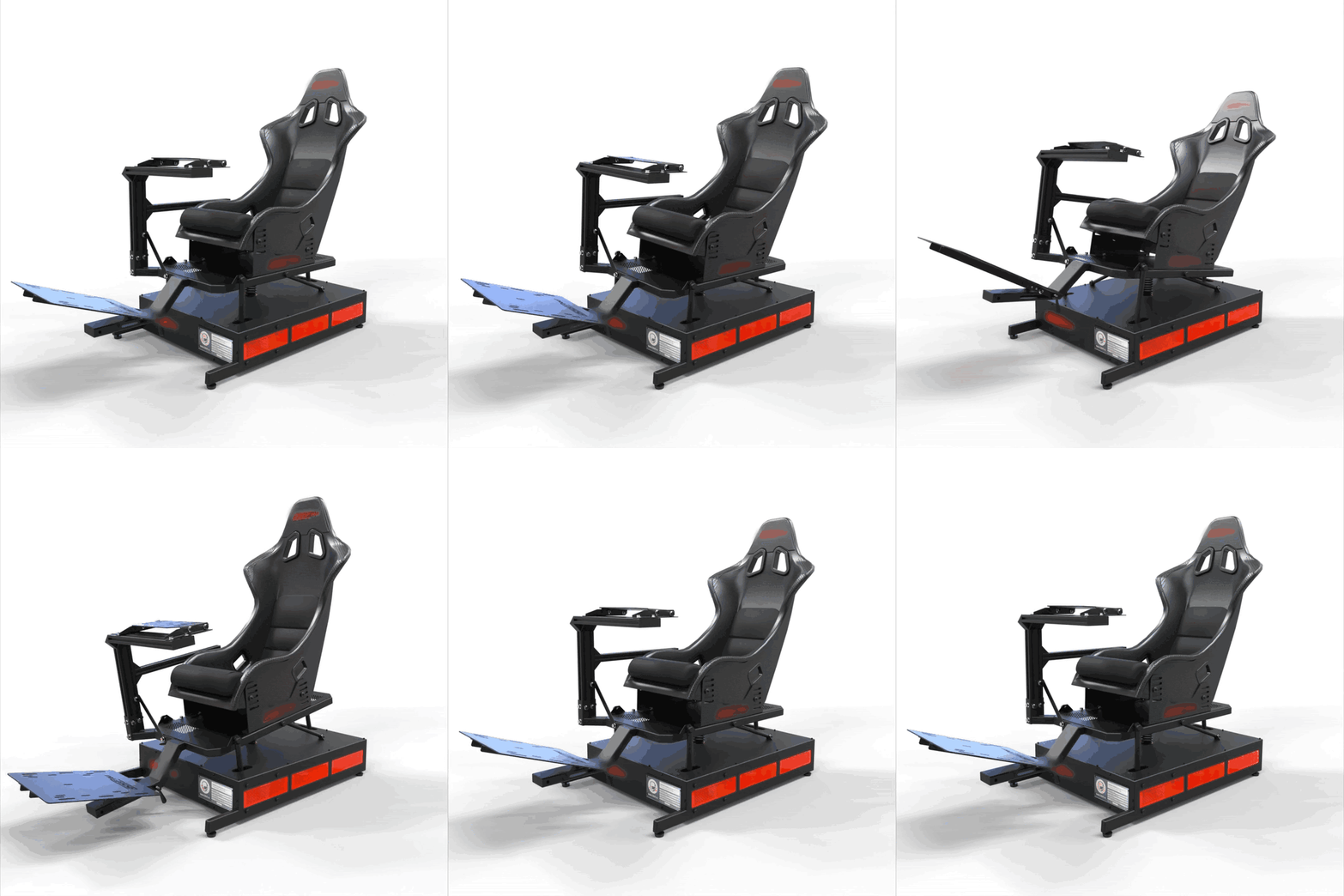
Advanced gyroscopic stabilization technology isolates users from vessel motion through automated opposing force generation.
Enhanced operational performance significantly reduces motion sickness, sopite syndrome, and associated fatigue. Maintains cognitive function and physical comfort throughout long periods at sea, improving both wellbeing and operational safety for maritime personnel.
Compact design for maritime installations in control rooms, bridge areas, and passenger spaces. The chair stabilizes only the user mass and immediate workstation rather than the entire vessel.
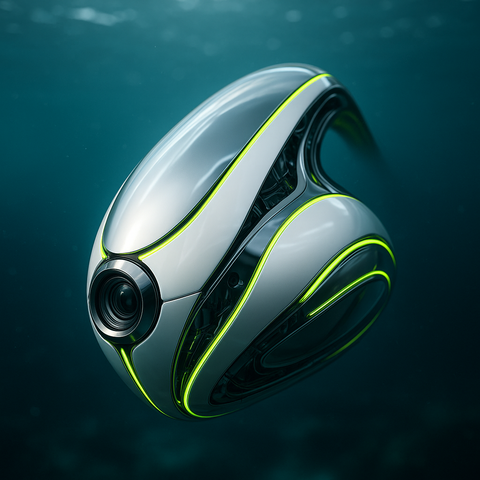
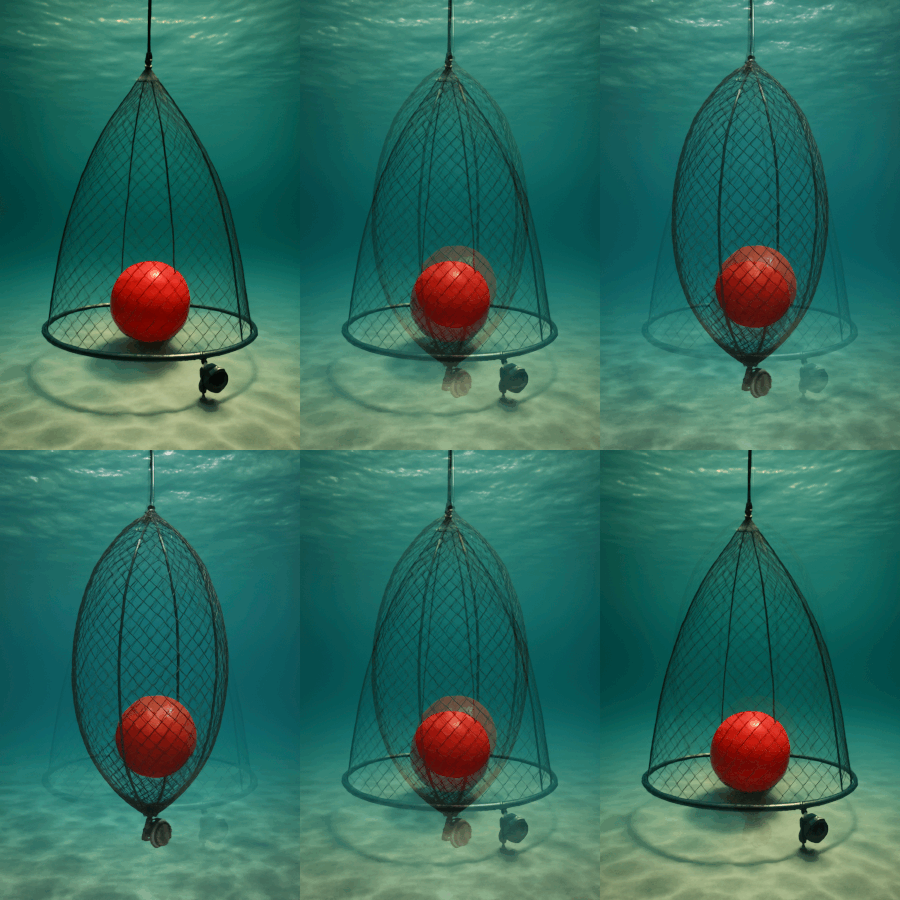
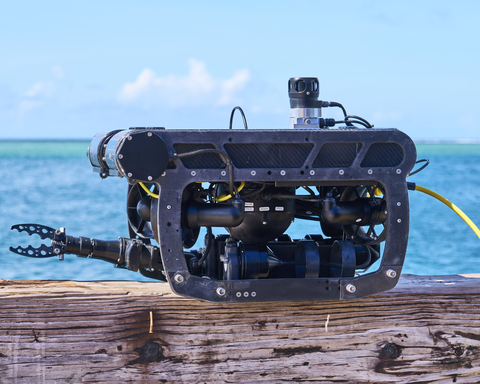
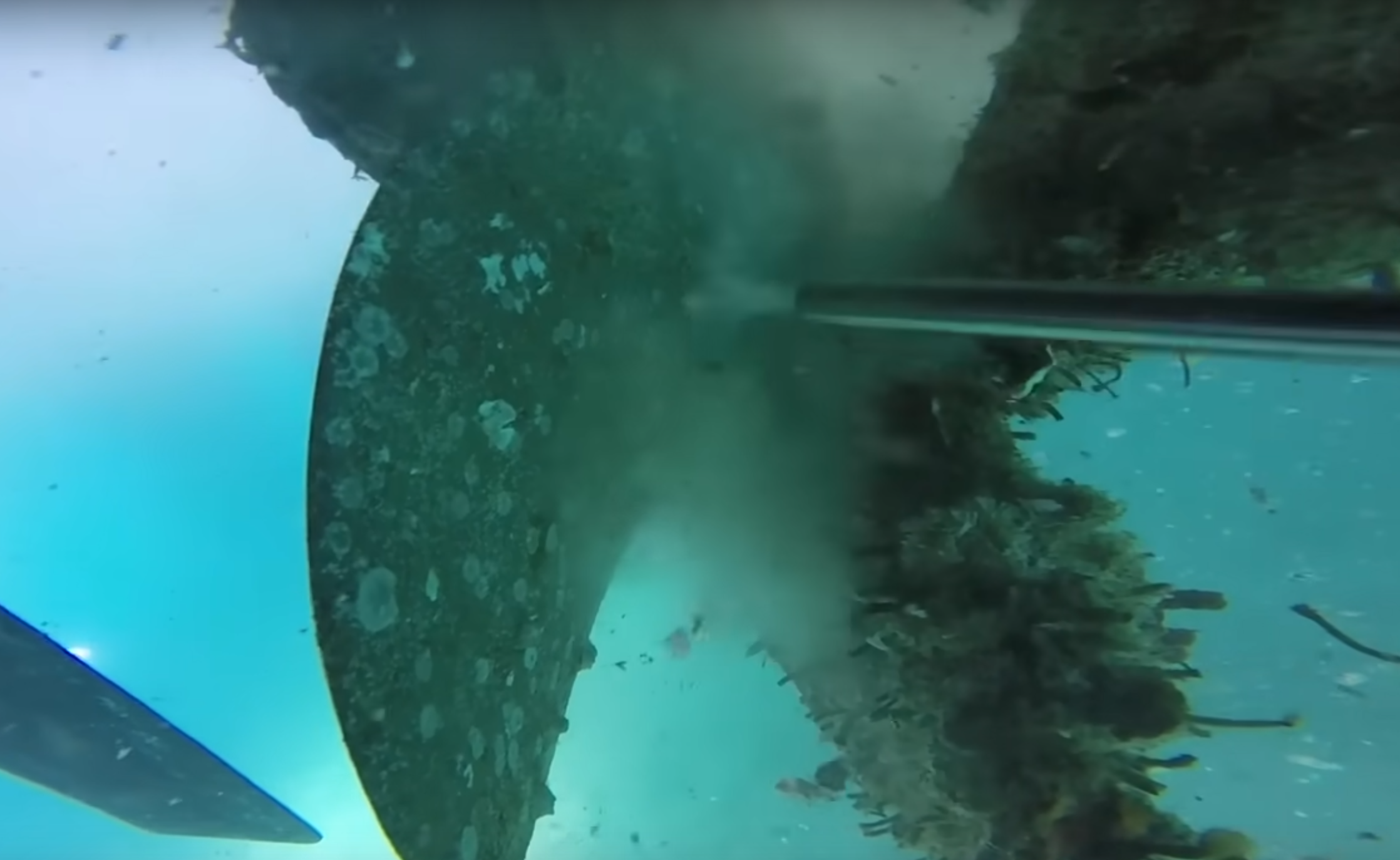
The Crab robot moves over the vessel hull and removes biofouling with a high-pressure cavitation water cleaning tool that uses seawater or brushes. The cleaning speed is about 2,000 m²/h on flat surfaces.
The robot can clean vessel hulls while underway in international waters where environmental regulations are less strict. A clean hull significantly reduces fuel consumption and operational costs.
Non-destructive testing of the steel surface, approximately 100 m²/h (depending on the number of data points collected), can include ultrasonic testing, visual inspection (cameras), and cathodic protection (CP) testing.
Salt treatment. Deionized water is injected into a fixed volume, and the salt content is measured after a set period. This method is typically used to assess the salt content in materials or structures for corrosion evaluation, identification of weaknesses, and performance prediction.
All data will be provided with relative coordinates. The necessary sensors are mounted on the Crab robot and are insulated to protect them from water and mechanical damage.
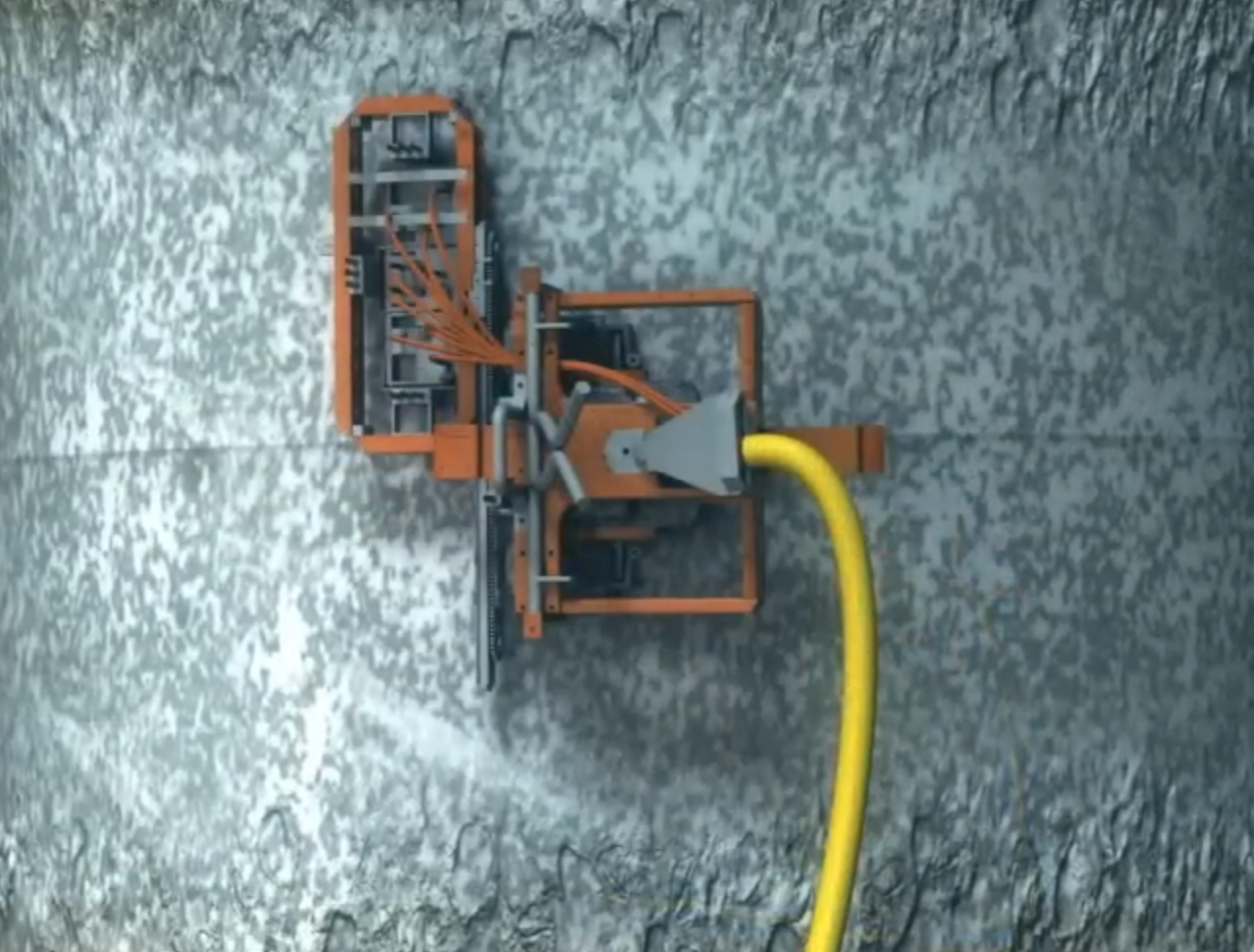
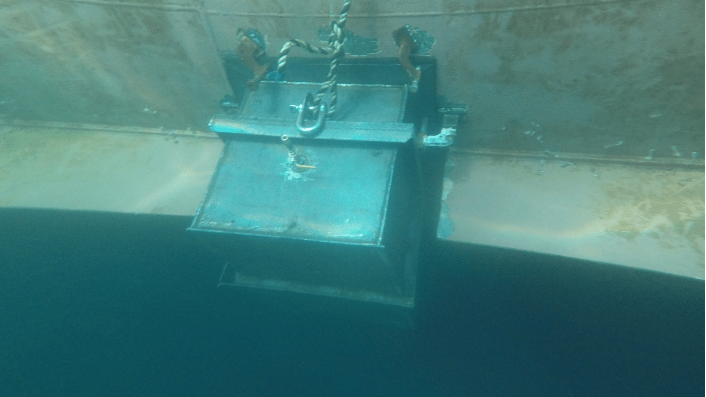
Mobile cofferdams are installed using one or multiple robots (2,000 - 6,000 kg). The cofferdam is equipped with repair tools for a mini-workshop, including CNC machinery.
All coatings are removed down to the base metal, and water is extracted. Clad welding restores the surface thickness by adding new metal layers. Grinding is then performed.
Corrosion-resistant coatings and cathodic protection systems are applied to protect the surface. Thickness gauging of new coatings is carried out.
For emergency temporary repairs, structural clamps with elastomeric sealsare used to seal off damaged areas. Reinforcing plates are installed and welded to strengthen the structure.
Please share your ideas and requirements with us