Engineering history: the team before Subsea Formula
Before Subsea Formula, the team built robotics, medical devices, navigation receivers and racing-engine parts. This post keeps a record of that work.
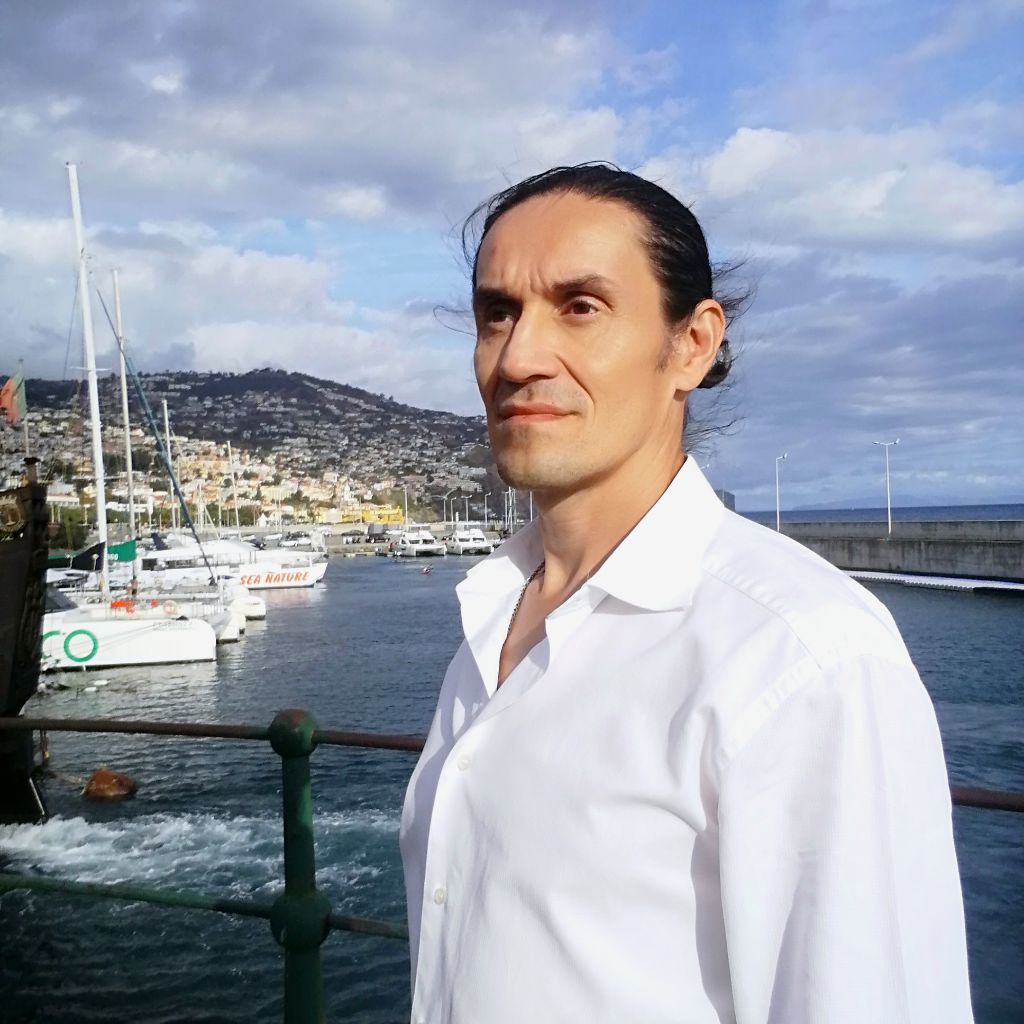
Kirill
Kirill’s track record spans practical robotics, sensing, energy, and medical engineering, with a bias for building rigorously and shipping fast.
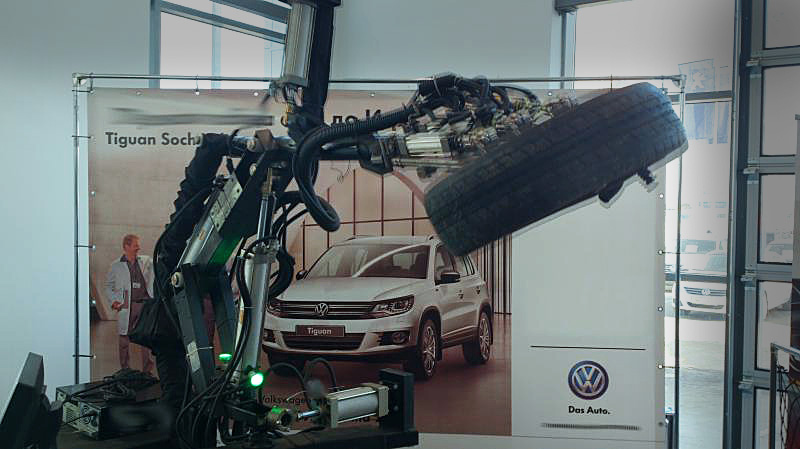
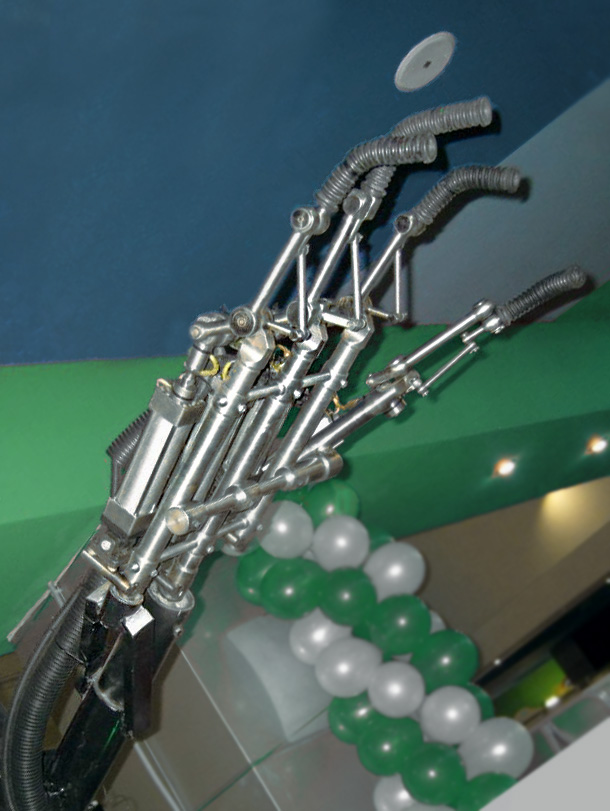
RoboArm, a three‑metre, 350 kg teleoperated hand, let children mirror finger motions via a glove and became a showstopper for Volkswagen dealers, Volvo’s heavy machinery division, and major events—ultimately evolving into a commercial attraction.
Mad Chair, a battery‑electric tracked chair for slopes, sand, and shallow water, paired strong low‑speed torque with clutch protection and a joystick controller, proving a robust, crowd‑friendly ride at public activations.
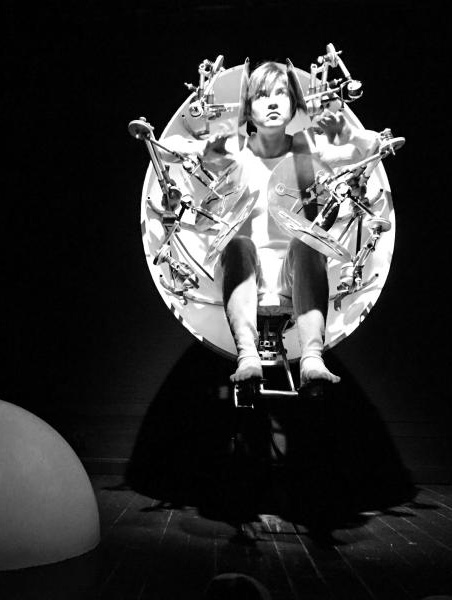
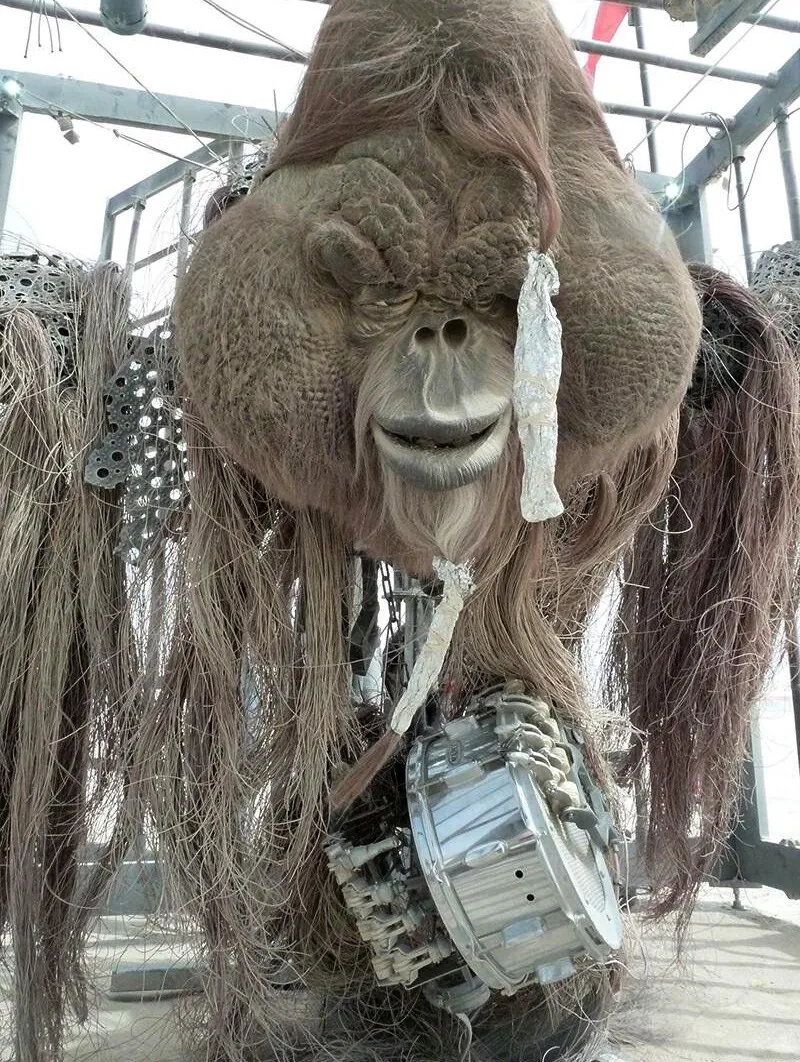
OraculTang, a speaking animatronic orangutan built in eight weeks, ran reliably in Black Rock Desert’s corrosive dust at Burning Man 2015, while Alien Egg, a flyable ovoid stage prop, used a steel frame, fibreglass shell, aluminium manipulators, and compact adjustable clutches so a performer could shape kaleidoscopic mirror effects and hold them precisely during a safe, repeatable lift.
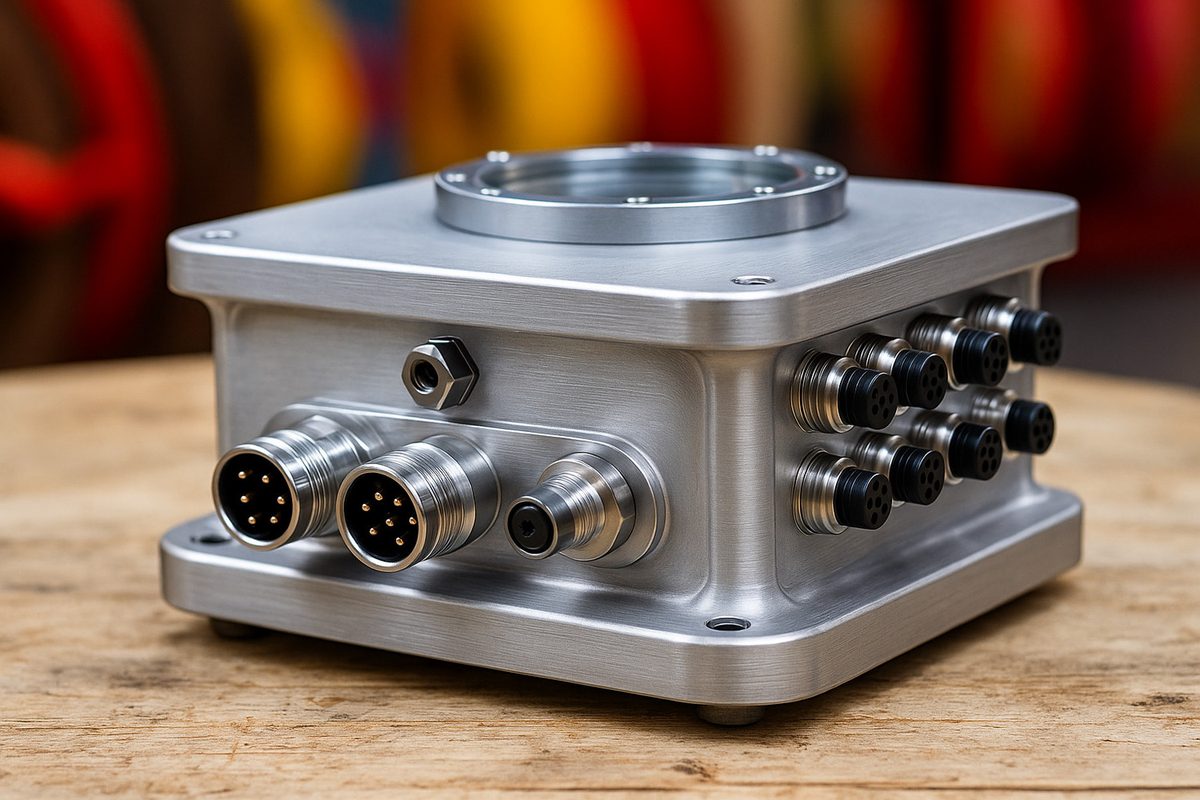
In energy, a palm‑sized flywheel prototype demonstrated spin‑up and power return with available materials and electronics, earning a gold medal at the Archimedes innovation fair before being paused pending scale‑up investment and a clear route to market. In navigation, a multi‑channel, multi‑constellation GNSS receiver progressed from bench builds to a custom baseband processor, with a host‑side interface exposing live channel and signal diagnostics.
In healthcare, the Medical Nanofilter Plant defined an automated line to make low‑cost respiratory filters that preserve humidity, block microbes, and partially scrub CO₂—an approach positively assessed in a naval medical setting—while a clinic‑commissioned, mammography‑guided sampling probe delivered a complete device architecture and operator test interface.
This breadth—teleoperation, power and control, harsh‑environment reliability, and human‑centred interfaces—underpins how our team now designs, powers, and safeguards underwater systems.

Robert
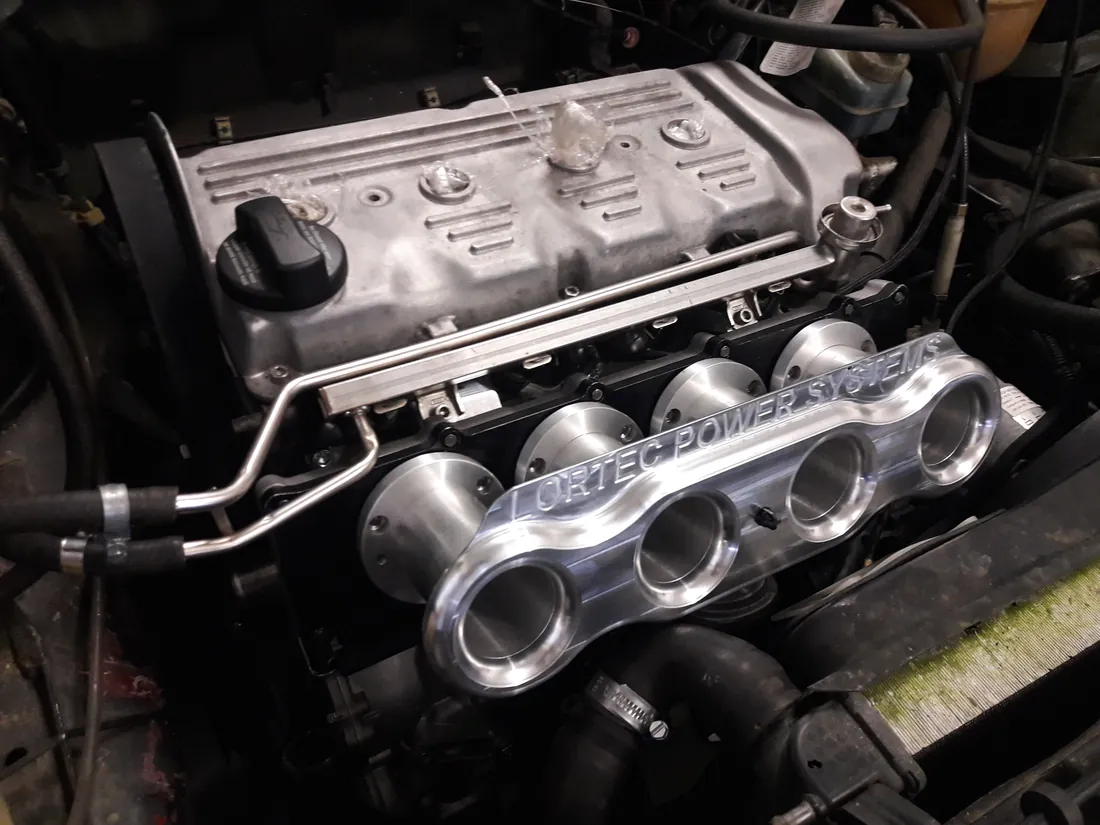
Robert has over 23 years of experience in machining and engine engineering. His early work focused on engine parts for racing engines, followed by producing components for specialist applications such as aerodynamic parts for drones and wings for wind farms.
Robert has developed:
- Drivetrains and braking systems for teams participating in events like the 24 Hours of Nürburgring. These braking systems needed to be lightweight yet highly effective, robust and thermodynamically efficient to maintain durability during prolonged continuous operation without overheating.
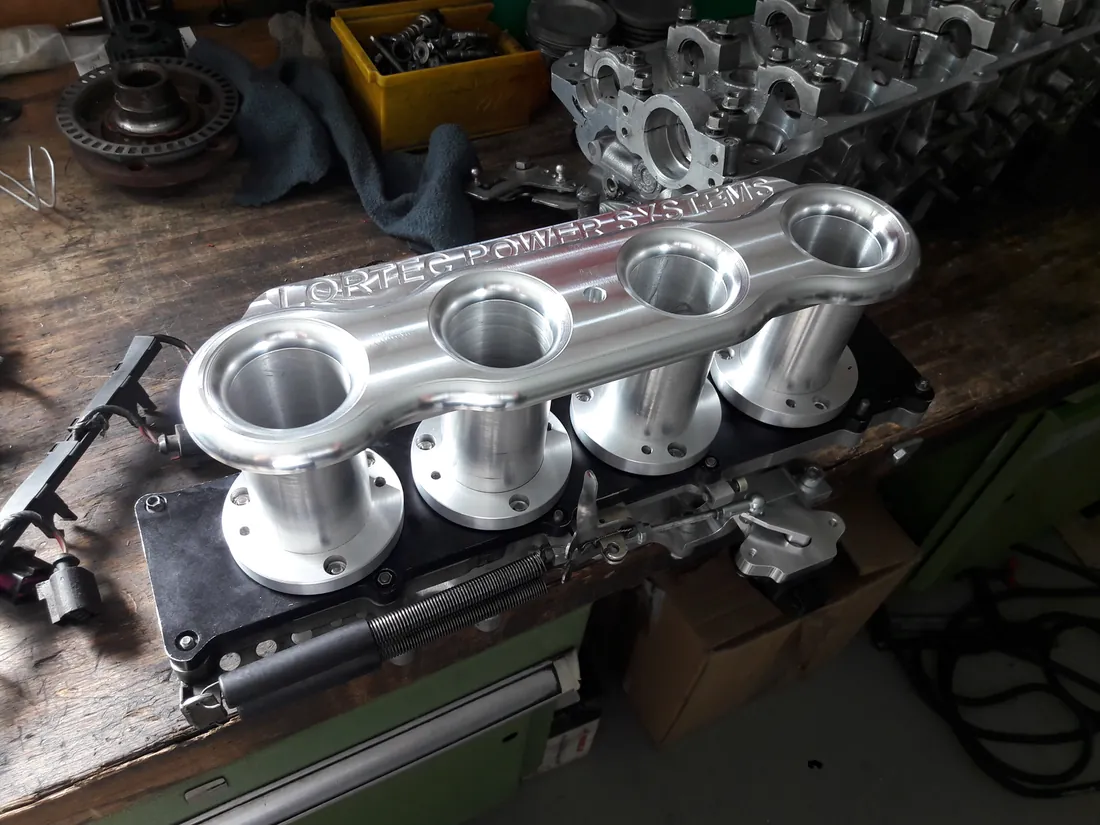
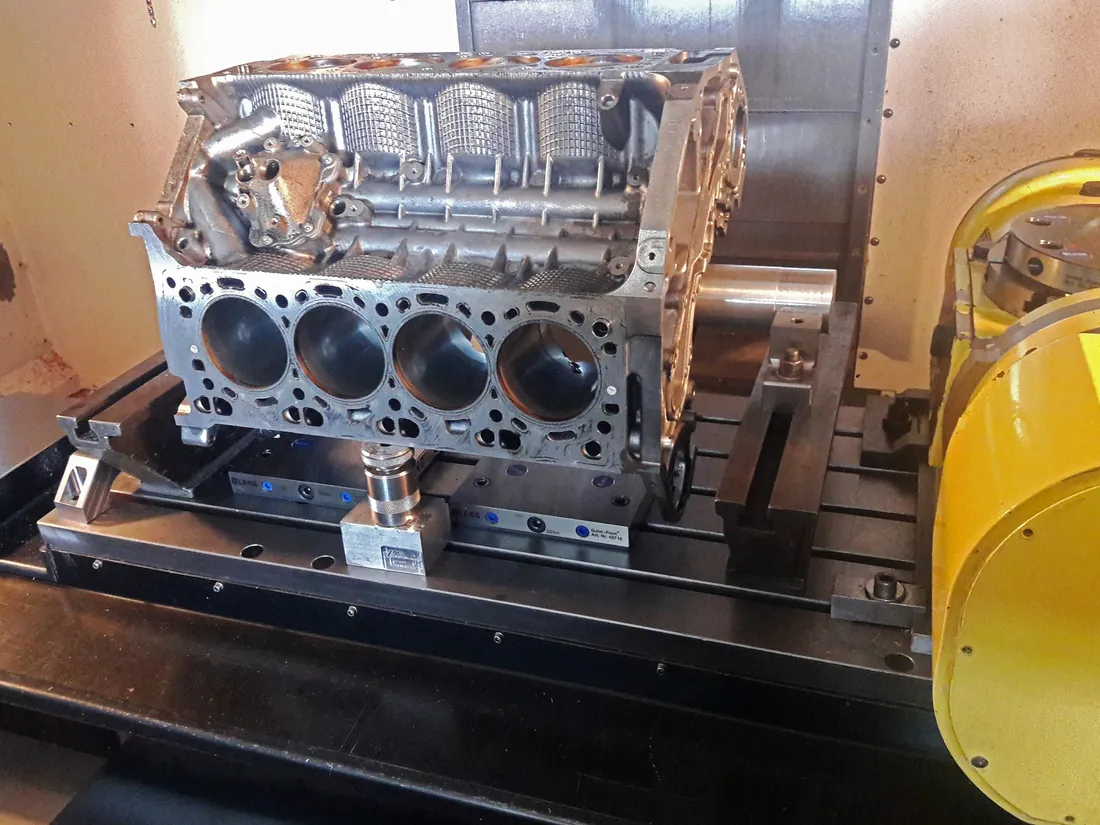
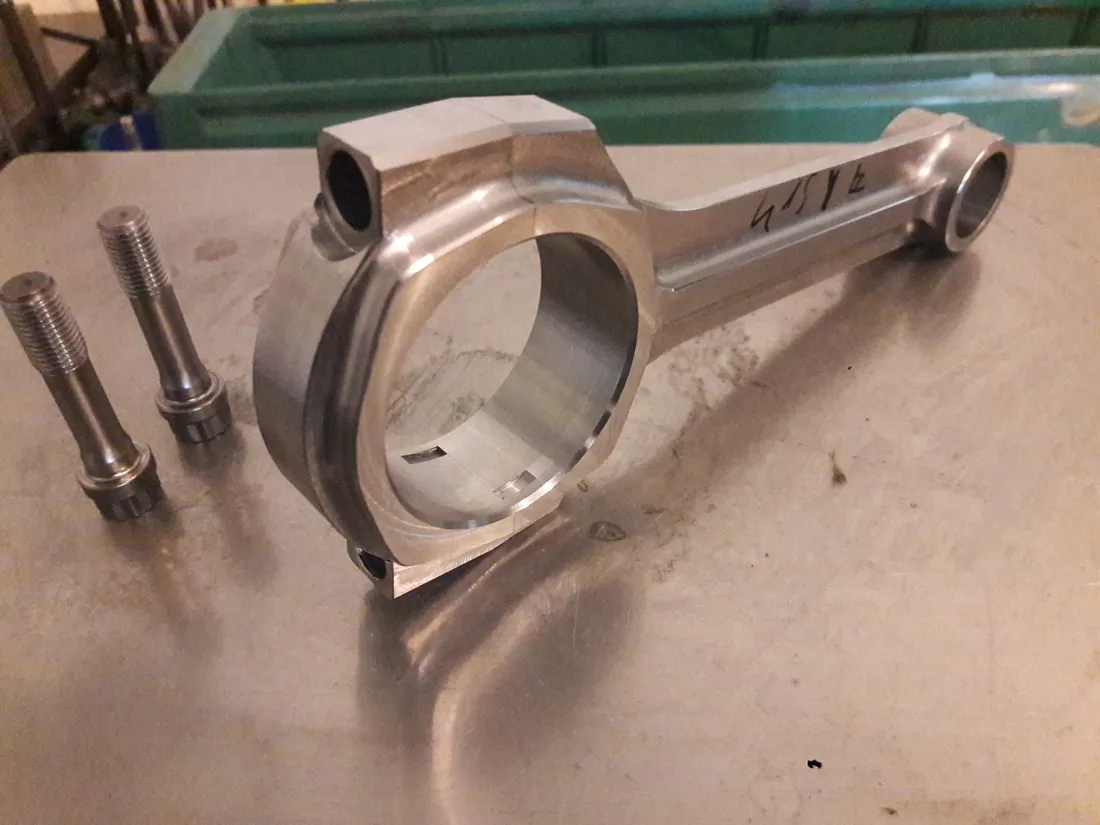
- High-powered drag-racing engines, including a notable 2.0-litre engine producing up to 850 horsepower, a remarkable power‑density achievement that required balancing extreme short‑duration outputs (drag racing) against long-term durability.
- High-pressure fuel injection systems for petrol engines, with injection pressures reaching 200 bar, selecting and integrating the appropriate pumps, injectors and related components to achieve optimal fuel delivery.
- Two-stage intake manifolds for high-pressure turbocharged engines, featuring electric actuators controlling internal components to optimise torque output.
Robert has hands-on experience programming engine control units (ECUs), including wiring harnesses and full engine builds. Notably, he also has experience with alcohol‑fuelled engines.
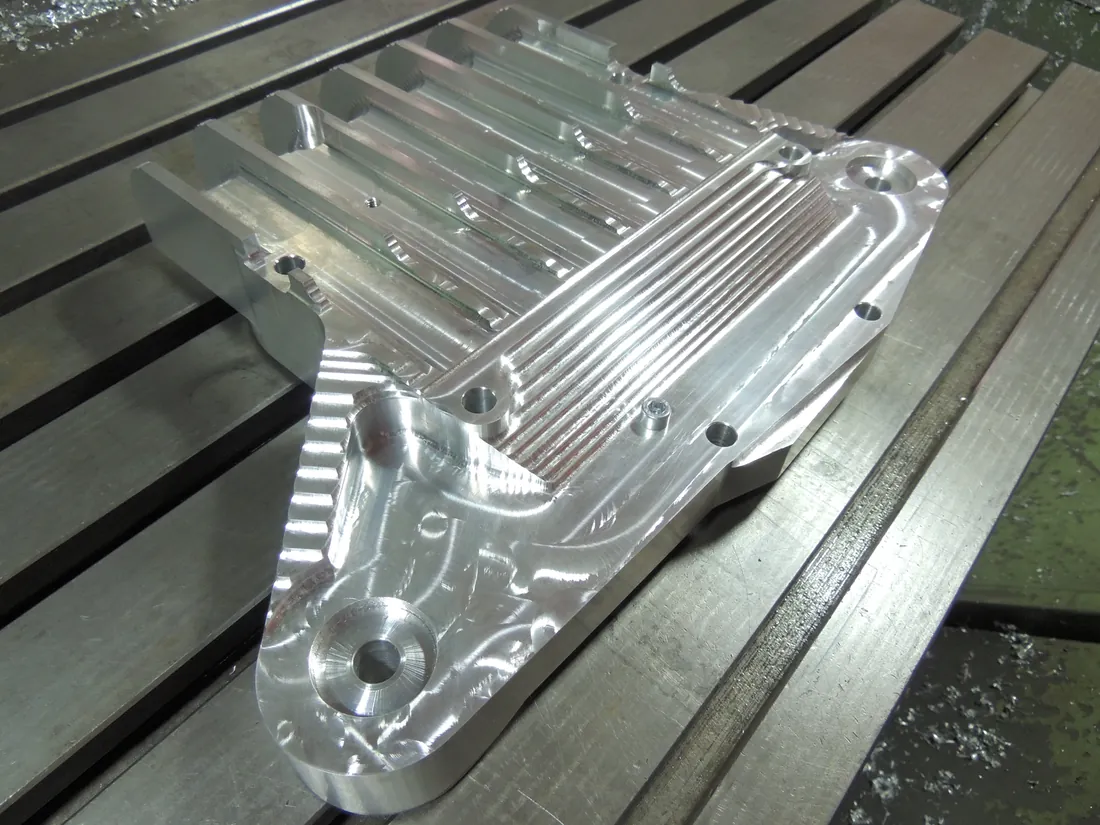
Robert demonstrates high proficiency in CNC machining, able to construct and mill complex parts. He has extensive experience working with Grade 5 titanium, noted as a particularly challenging yet strong material. He is proficient in machining stainless steel, nickel alloys, bronze and other common CNC materials, though titanium remains the standout due to its difficulty and mechanical properties. He is skilled in TIG welding of stainless steel (inox), aluminium and steel, and performing post‑weld machining.
Over his career, he has implemented complex projects from initial design and calculations through prototyping to small‑batch production. He is capable of performing finite element analysis (FEA) and preparing full documentation. Robert enjoys seeing a designed part materialise and function, whether it moves or remains static, and relishes problem‑solving throughout the project lifecycle.